Careers at Zentrik
8 senior roles
Agent-native brains
All roles

The Experience Brain

Define how non-deterministic product work feels specific, trustworthy, and useful as Zentrik learns from customer signals, decisions, and workflows.

Experience
Strategic opening

The Experience Brain

Agentic product experience, design systems, and human product intent

A chief design officer and chief product officer shape, expressed as one hands-on operator.

Define how non-deterministic product work feels specific, trustworthy, and useful as Zentrik learns from customer signals, decisions, and workflows.

Start a conversation

A useful first note shows how you think and what you have made.

What you would own

  • The end-to-end experience across Discovery, definition, planning, agent collaboration, and future product surfaces.
  • The interaction language for evidence, tradeoffs, AI suggestions, decision confidence, recovery, and human review.
  • Experience evals, edge-case reviews, prototypes, design systems, and agent workflows that turn taste into repeatable behavior.

What we would look for

  • Keen product and interaction judgment for dense SaaS workflows.
  • Deep empathy for product leaders, PMs, founders, engineers, and customer-facing teams under pressure.
  • A visible workbench: prototypes, repos, personal systems, eval notes, design artifacts, or agent workflows built with tools such as Claude Code, Cursor, Anti-Gravity, or Codex.

Questions you would help answer

  • What should a self-improving product experience feel like when evidence, decisions, and agents all matter?
  • How should Zentrik adapt to each customer without becoming generic or inconsistent?
  • Where should the product remove work from the team without hiding the judgment behind it?
What the work feels like

The product is the operating layer for better product decisions.

The role is not to add AI decoration to old workflows. The role is to preserve product intent from customer evidence to shipped work, while making every loop more inspectable, more reliable, and easier for a human team to trust.

Product intent stays human

AI can accelerate the work, but the reason to build still comes from evidence, taste, tradeoffs, and accountability.

Visible systems beat claims

We look for artifacts: GitHub repos, workbenches, eval notes, customer loops, market systems, prototypes, and operating docs.

The harness matters

Great AI-native work depends on context, evals, guardrails, review loops, and proof that the next cycle gets sharper.

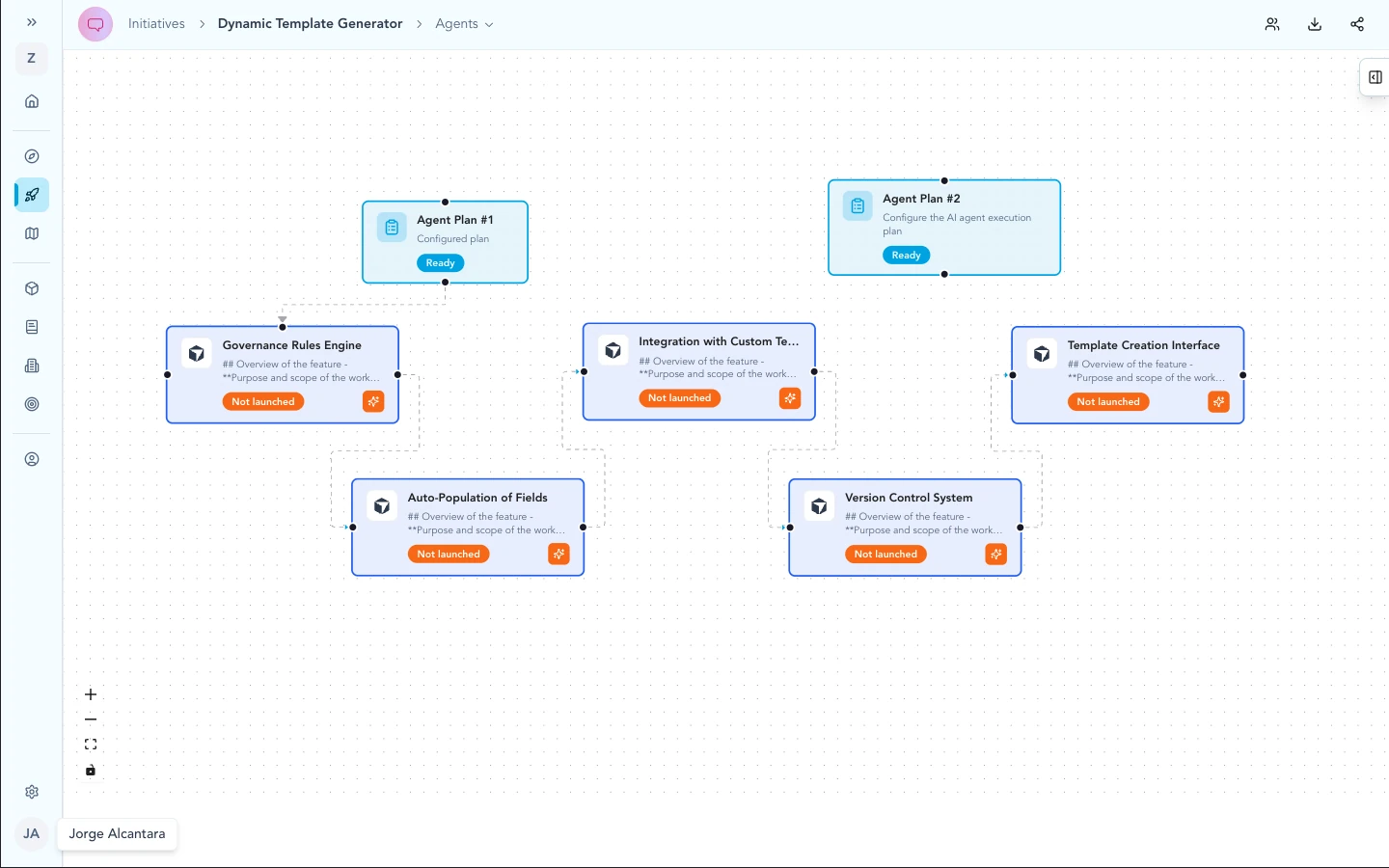
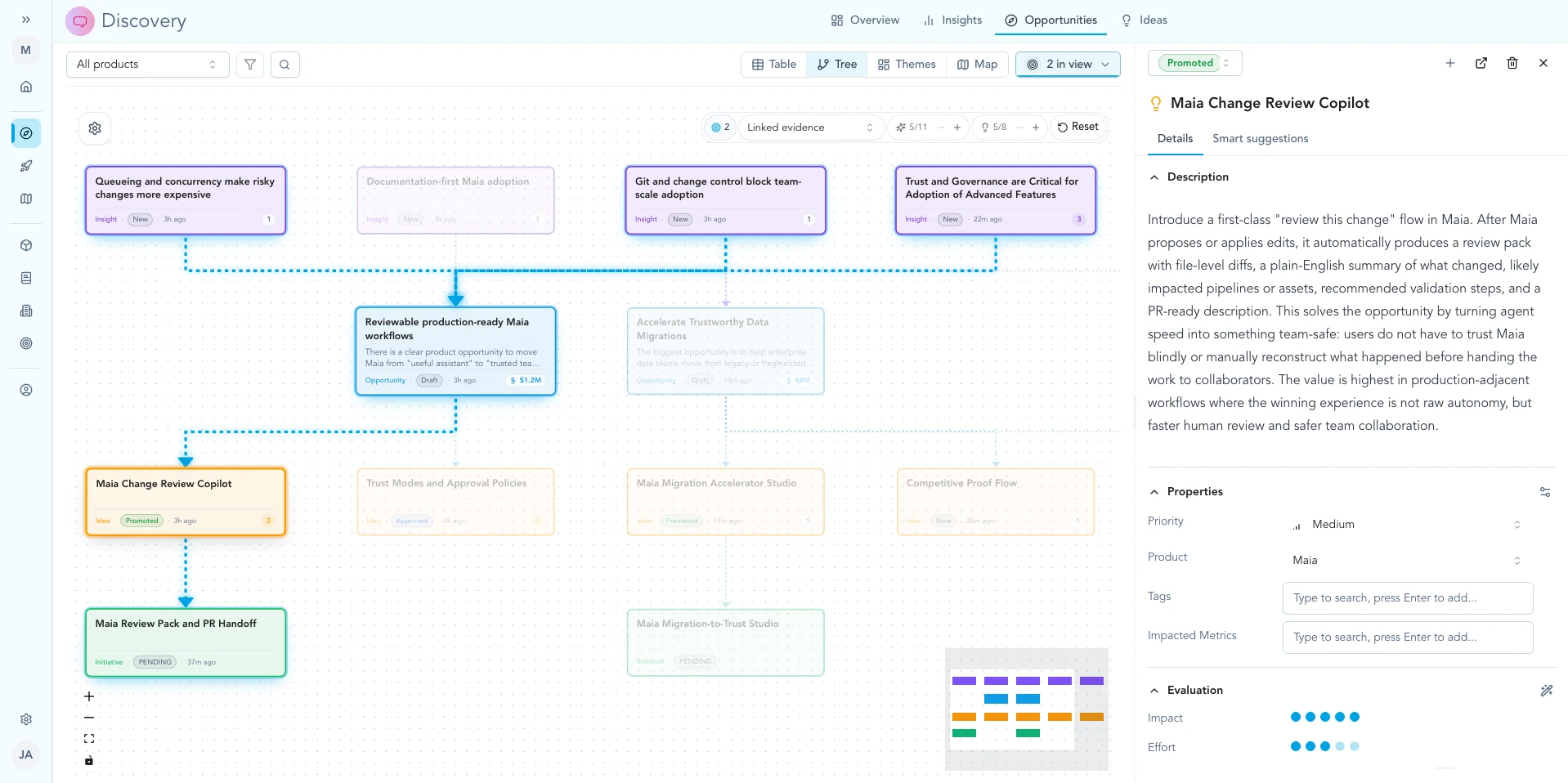
Zentrik agent workflow graph showing product context moving into agent work.
How we think about fit

Range matters, but judgment matters more.

We are more interested in visible systems of work than in claims of AI fluency. Strong candidates can show how they create leverage without confusing output volume for customer value.

GitHub or public work artifacts

Agent harness or eval loop

Product or business judgment

Market or customer learning system

Infrastructure or MLOps system

Community or enablement motion

Personal workbench or knowledge system

Hiring process

Show us the system behind the work.

A strong note could include a GitHub repo, product teardown, prototype, GTM system, research synthesis, eval harness, personal workbench, shipped product, or a short memo about where you think Zentrik should go.

Contact Zentrik
Tell us which role fits your strongest proof.
  1. 1

    Send a proof artifact

    Share a repo, product teardown, prototype, GTM system, research synthesis, eval harness, customer system, or short memo.

  2. 2

    Work through the role shape

    We will talk about the domain, the level of ownership, the systems you have built, and where your judgment is strongest.

  3. 3

    Review a real operating problem

    The useful signal is how you structure ambiguity, design feedback loops, and decide what is worth doing next.

  4. 4

    Define the first scope

    If there is a fit, we will shape the initial domain clearly enough that you can start creating leverage quickly.