Careers at Zentrik / 8 open roles

All roles

Product Intelligence Lead

Build research and synthesis systems that turn calls, market movement, and customer evidence into product decisions.

8
open roles
4
role paths
1
small team

Product intelligence

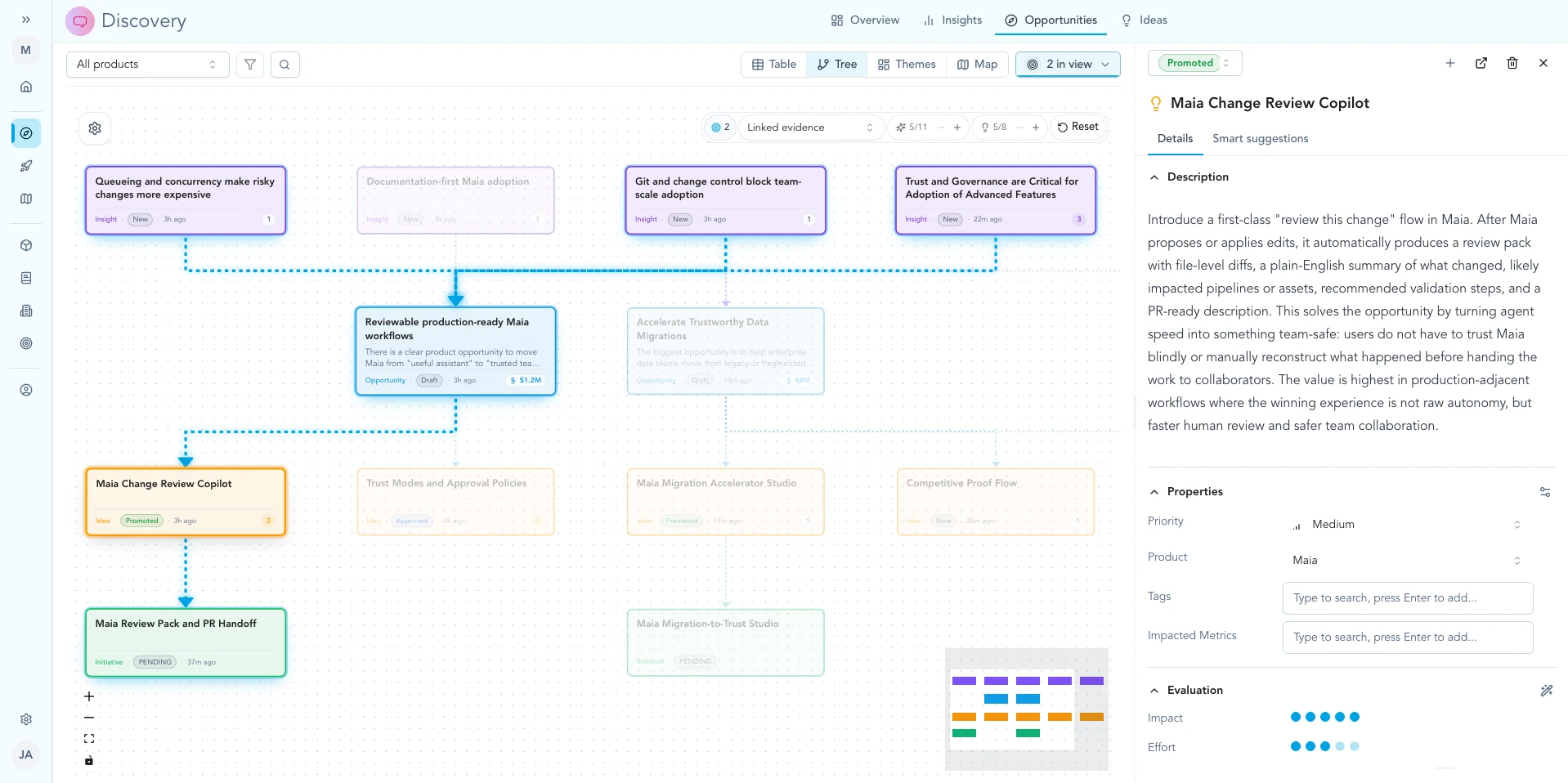
Zentrik evidence graph with source-backed product context.

Work context

Roles connect to real product systems

Hiring brief

Product Intelligence Lead

Customer signal, market research, competitive systems, and synthesis

You bring
Strong judgment and visible work
You own
A clear role with real company scope

Product intelligence / Builder role

Product Intelligence Lead

Customer signal, market research, competitive systems, and synthesis

A research and intelligence role for someone who can turn messy evidence into decisions the team can act on.

Build research and synthesis systems that turn calls, market movement, and customer evidence into product decisions.

Start a conversation

A concise note is enough to start.

What you would own

  • A repeatable intelligence practice across calls, support, community signal, competitors, pricing movement, and buyer language.
  • Research agents, source-quality checks, synthesis rubrics, and artifacts that help the team decide what is worth doing.
  • Clear narratives that connect product bets to customer pain, market timing, and business impact.

What we would look for

  • You can synthesize messy qualitative evidence without flattening nuance.
  • You can use AI to increase research throughput while preserving judgment, source quality, and traceability.
  • You understand product management, SaaS markets, and how buyer language becomes positioning and roadmap signal.

Questions you would help answer

  • What market evidence should change Zentrik strategy this month?
  • How do we separate loud AI excitement from real customer need?
  • What research artifacts help product, growth, and customer teams make sharper decisions?
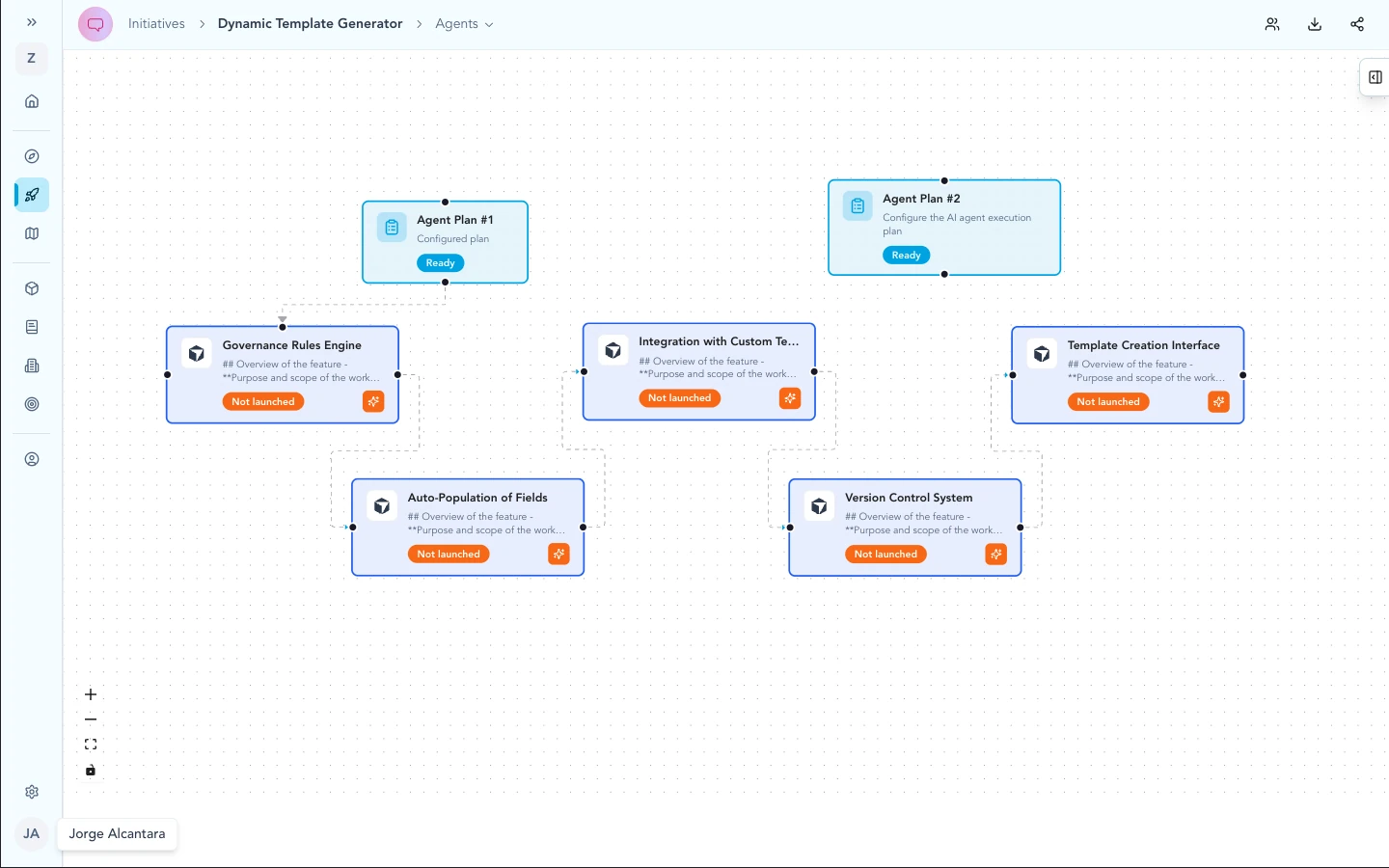
Zentrik workflow graph showing product context moving into agent work.

What the work feels like

Work here should feel direct, concrete, and high-trust.

We are a small team building a product for product teams. You should expect to work close to customers, code, evidence, product decisions, and the systems that help the company learn faster.

High ownership, small team

You should expect real scope, close collaboration, and enough context to make decisions without waiting for layers of approval.

Artifacts matter

We learn more from repos, prototypes, teardown notes, customer loops, growth systems, eval harnesses, and operating docs than from generic claims.

AI is part of the work

We use AI seriously, but the bar is better judgment, clearer systems, faster learning, and work that can be reviewed.

How we think about fit

Show us how you think and what you have made.

We do not need a polished application package to begin. Strong candidates can point to visible work and explain the choices, tradeoffs, and lessons behind it.

  • GitHub or public work artifacts

  • Agent harness or eval loop

  • Product or business judgment

  • Market or customer learning system

  • Infrastructure or MLOps system

  • Community or enablement motion

  • Personal workbench or knowledge system

Hiring process

Start with a short note and one useful artifact.

Tell us which role you are interested in and why. Include a repo, product teardown, prototype, GTM system, research synthesis, eval harness, shipped product, or short memo if it helps us understand your work.

Contact Zentrik
Tell us which role you want to explore.
  1. 1

    Send a focused note

    Tell us which role fits and include one or two artifacts: a repo, product surface, teardown, GTM system, research synthesis, eval harness, or short memo.

  2. 2

    Talk through your work

    We will talk about the role, the level of ownership, the systems you have built, and where your judgment is strongest.

  3. 3

    Review a real operating problem

    The useful signal is how you structure ambiguity, design feedback loops, and decide what is worth doing next.

  4. 4

    Define the first scope

    If there is a fit, we will shape an initial domain with clear ownership, expectations, and success criteria.