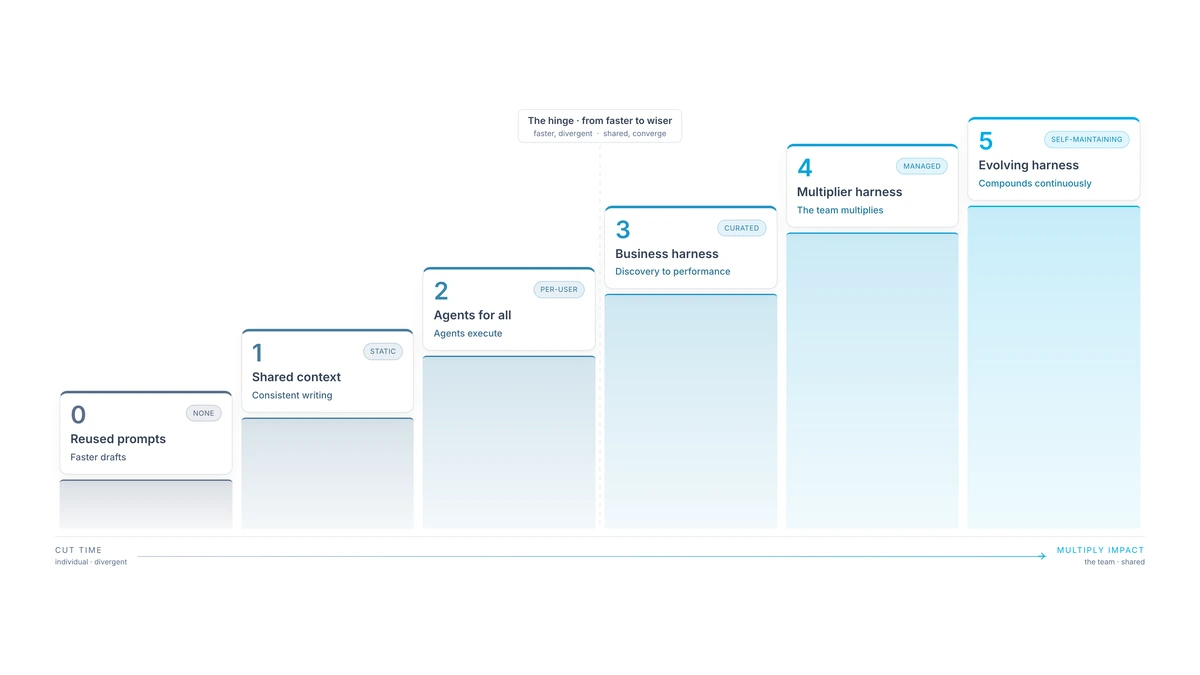
The AI Adoption Ladder
From a saved prompt to a harness that maintains itself
Learn the 6 stages of AI adoption for product teams, from reusable prompts to agent harnesses that preserve context, verify work, and write learning back.
Blog
Notes on product work, customer signal, and building software without losing the reason behind the work.
14 of 14 posts
Latest
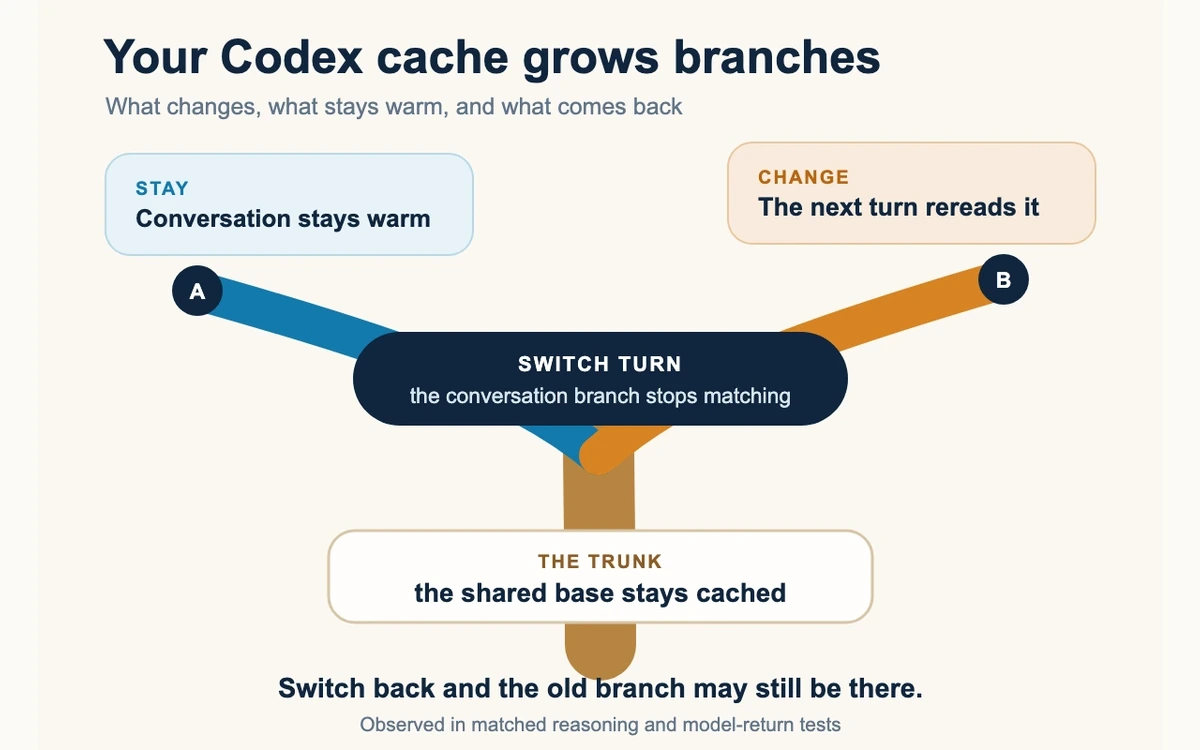
August 20, 2026Changing the model or reasoning setting can make the next Codex turn reuse less of a long conversation. Six matched tests show what stays warm and what can return.
More posts
From a saved prompt to a harness that maintains itself
Learn the 6 stages of AI adoption for product teams, from reusable prompts to agent harnesses that preserve context, verify work, and write learning back.
The useful MCP comparison starts before the ticket and ends after the release.
Compare product management MCPs for research, insight management, planning, delivery and analytics, with documented strengths, limits and a practical first test.
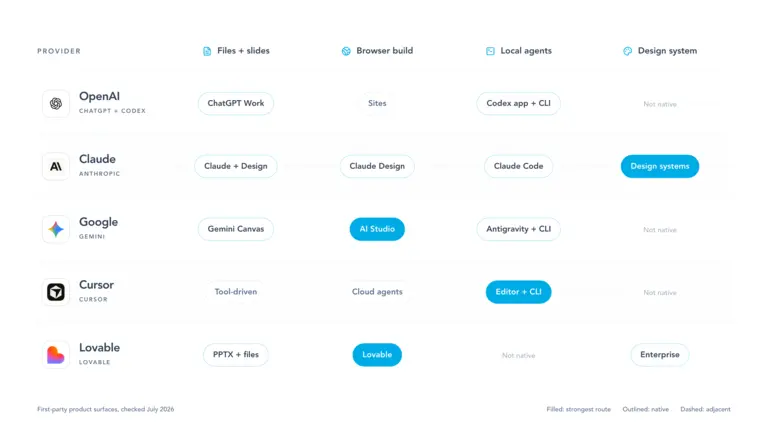
Claude, Codex, Gemini, Cursor, and Lovable now overlap. A practical guide to choosing 1 for a real piece of work.
We launched a system built on the idea that product decisions should carry receipts. Here is the receipt behind the launch itself.
AI made building faster. Product teams now need product intent loops that keep customer evidence, human judgment, and agent-assisted delivery connected.
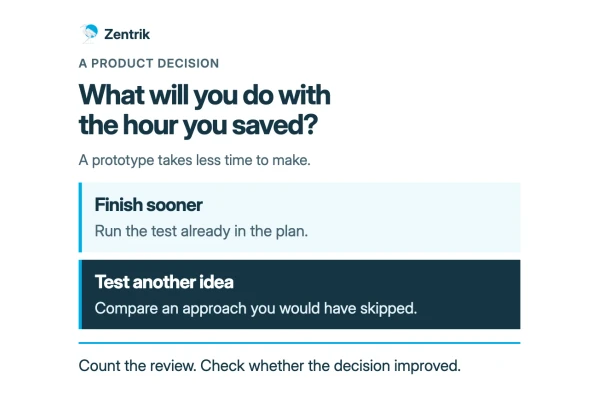
A faster prototype is useful. The bigger gain comes when a team can afford to test a decision it used to make blind.
A PM-to-agent handoff is not ready when the spec sounds polished. It is ready when the receipt makes the work reviewable.
Everyone is engineering the inner loop, the agent that writes and checks code. The outer loop, customer signal to shipped product and back, is where the wrong thing gets decided, and it is still run by hand.
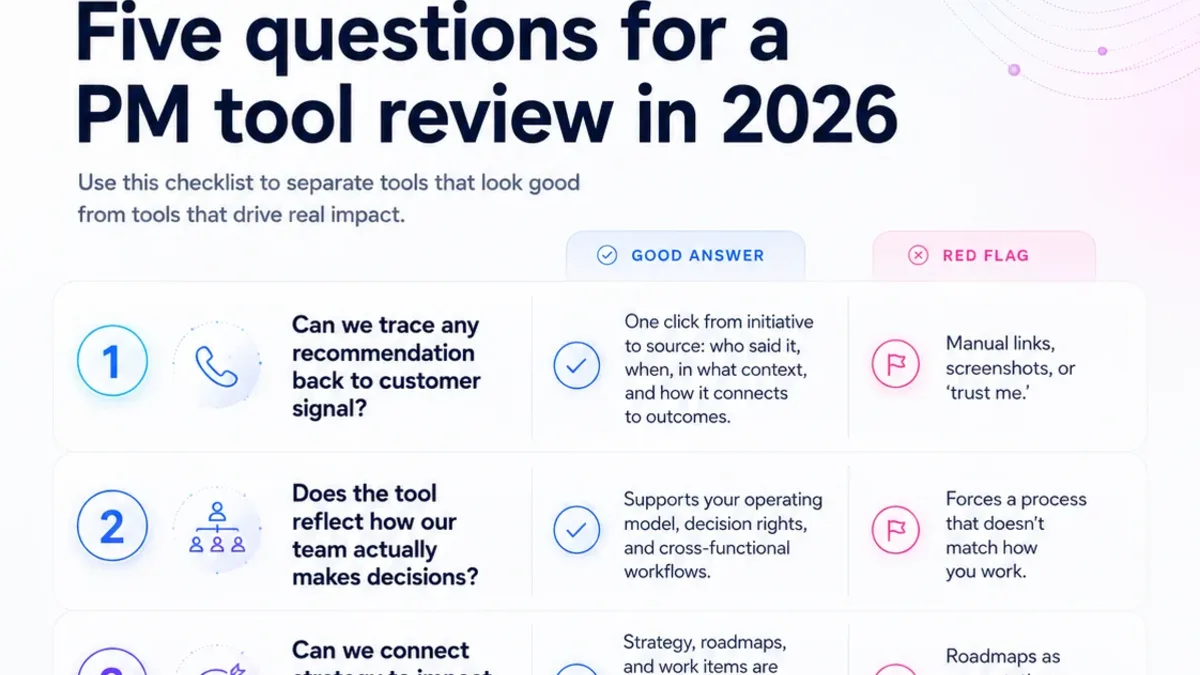
A short rubric to separate tools that look good from tools that drive real impact. It is vendor-agnostic on purpose, including against us.
The work has changed. PM tools built to store artifacts are being asked to act on decisions before the signal goes stale.
After the 20 calls everyone talks about, the rest of the library still holds the roadmap. Here is what we keep finding when that signal finally flows into structure.
Finding relevant files does not establish why a priority deserves attention. Keep the source, interpretation and decision connected, whatever storage you use.
Faster implementation exposes delays in evidence, decisions and review. Find which step actually holds up your product workflow.